
Getting left behind on our blog series for numerous reasons, somehow we’ve found the ideal time to sit down and write about some of the hints and misses on our way to improve and get faster.
It’s easy to get frustrated when something didn’t go well, or when we have to redo a step two, three, or even four times. It shouldn’t matter how many attempts you have to make when you’re seeking perfection. That’s the difference between just working on the car and actually making it work and perform as it should.
So thinking like this, there is no real right or wrong way to complete the task, so being open to new ideas can be beneficial in a creative sense.
Rear geometry
After some track testing we witnessed unbalanced front to rear behavior and unstable weight transfer. The front end was solid under pressure but the rear was loose and unable to build up temperature on the rear tires. When this is the case the instinctive change would have been to add more wing, but in our case we wanted to learn the car without significant aero mods and have a solid foundation for the future development.
After some discussion with our partners from down under, we decided to go with Honed Developments rear roll center adjusters and softer springs at the back. Setup changed from 1000 lb/in (front) and 750 lb/in (rear) to a softer 550 lb/in rear spring rate.

Honed rear roll center correction kit is a bolt in solution that mounts into the rear trailing arm and benefits for
- Improved turn in and chassis response
- Excellent mid-corner adjustability
- Can get on power earlier as car rotates instead of pushes at corner exit

Coming together with all these nicely shiny, fast bits, another highly necessery piece was the Moroso extra capacity oil pan with trap doors, baffles, and removable sump tray that keeps oil contained in the pickup area during hard acceleration, cornering and braking. With all these parts ready to go on, we started from the rear end of the car to make our way to the front.

Rear trailing arms fitted with spherical bearing replacing the Energy bushings as a way to provide better stable driver feedback and increased steering response.
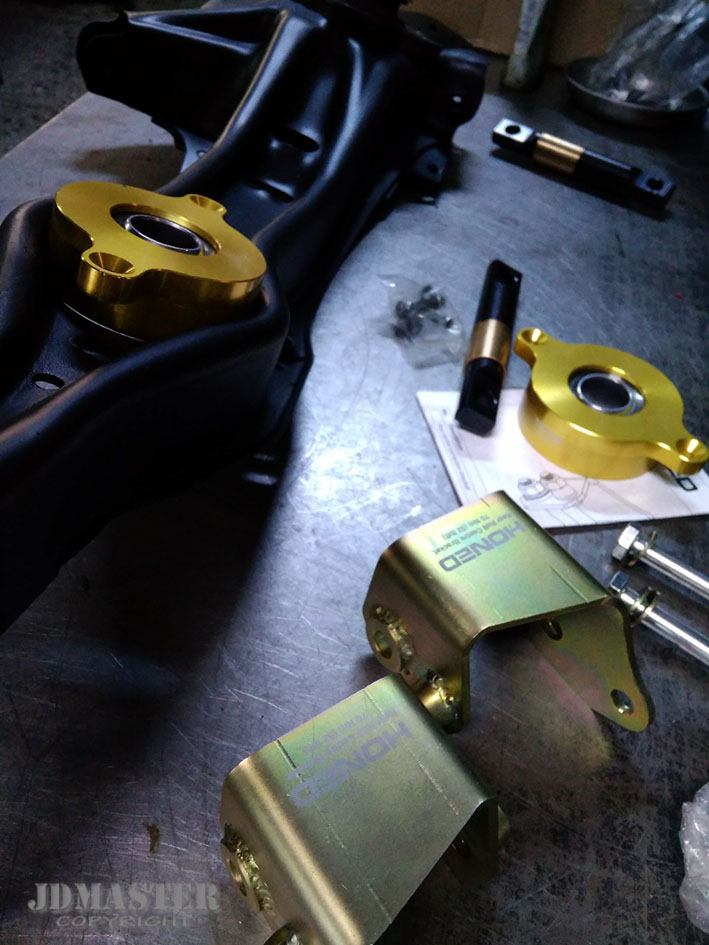
Rear roll center adjusters to take place right next on the trailing arms.
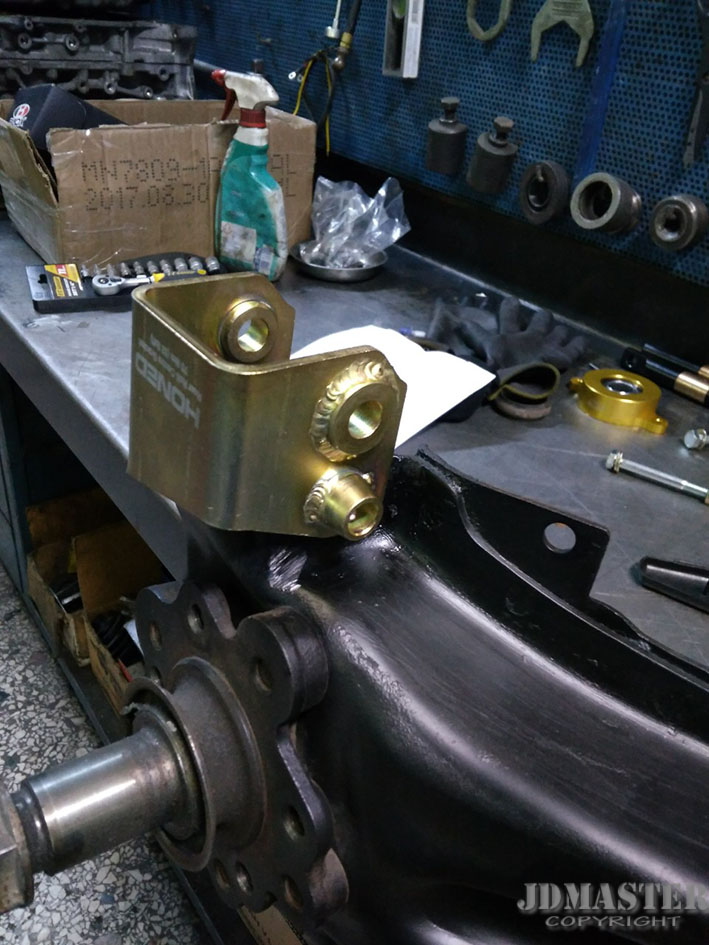
Honed rear roll center plates require some short of grinding and drilling. Making sure that all measurement where correct we moved on with the install.

Making sure we lined up the brackets with the trailing arms, the same way on both trailing arms.
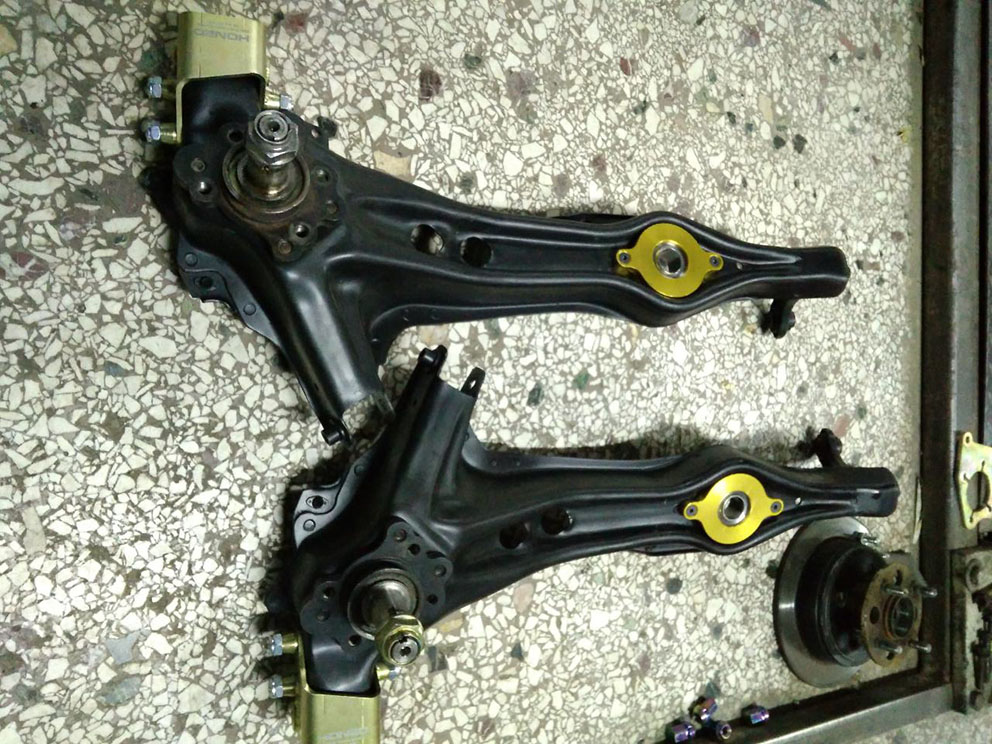
Both trailing arms ready to be bolted back into the car

Trailing arms bolted into the chassis, making sure all done correct and the rest gets back on as well to get it down to the ground.
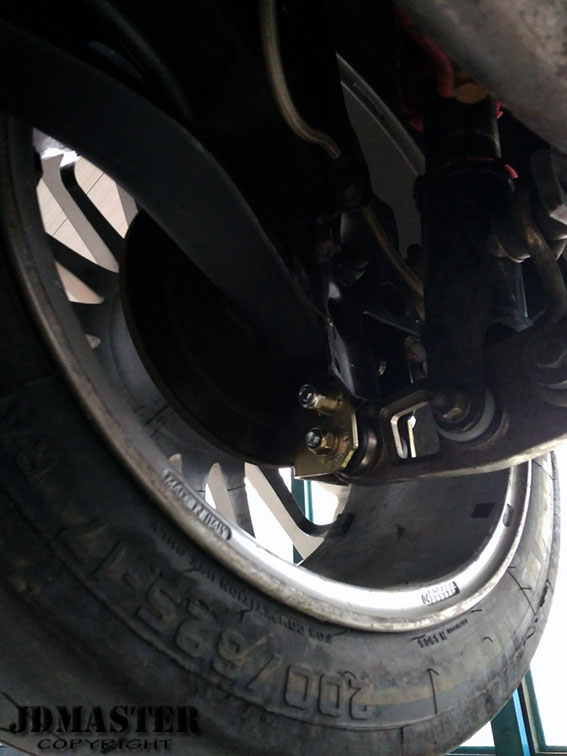


Easily noticable once you take a look behind the wheel. Now ready and stady to do its own magic on the race track.
Spherical bushings
Another area that was introducing unwanted suspension geometry changes was the bushings. The car was fitted with a mixture of poly bushings, custom made bushings and stock rear toe arms. Hardrace is a long partner with excellent quality products as well as a keen sponsor to JDMyard Time Attack Civic EG, long story short we built the rear end with pillow bearings everywhere.
Hardrace products are gaining more and more ground into the race/track use worldwide. Till now our numerous sales on Hardrace products with excellent customer feedback, proven to be a great option to put them down to work into this project by getting their pillowball rear controll arms / toe arms and camber kit.

Hardrace Control arms made with aluminum alloy body and compound with pillow ball bushing. A good control arm can regulate the movement of wheels quickly each time you turn or corner. The camber arms and toe arms are steel constructed body with pillowball as well. All these pillow points are choosen to provide superior strength and durability compaired to polyurethane bushings and all these parts are direct replacement and improve handling performance.


Bumpsteer correction
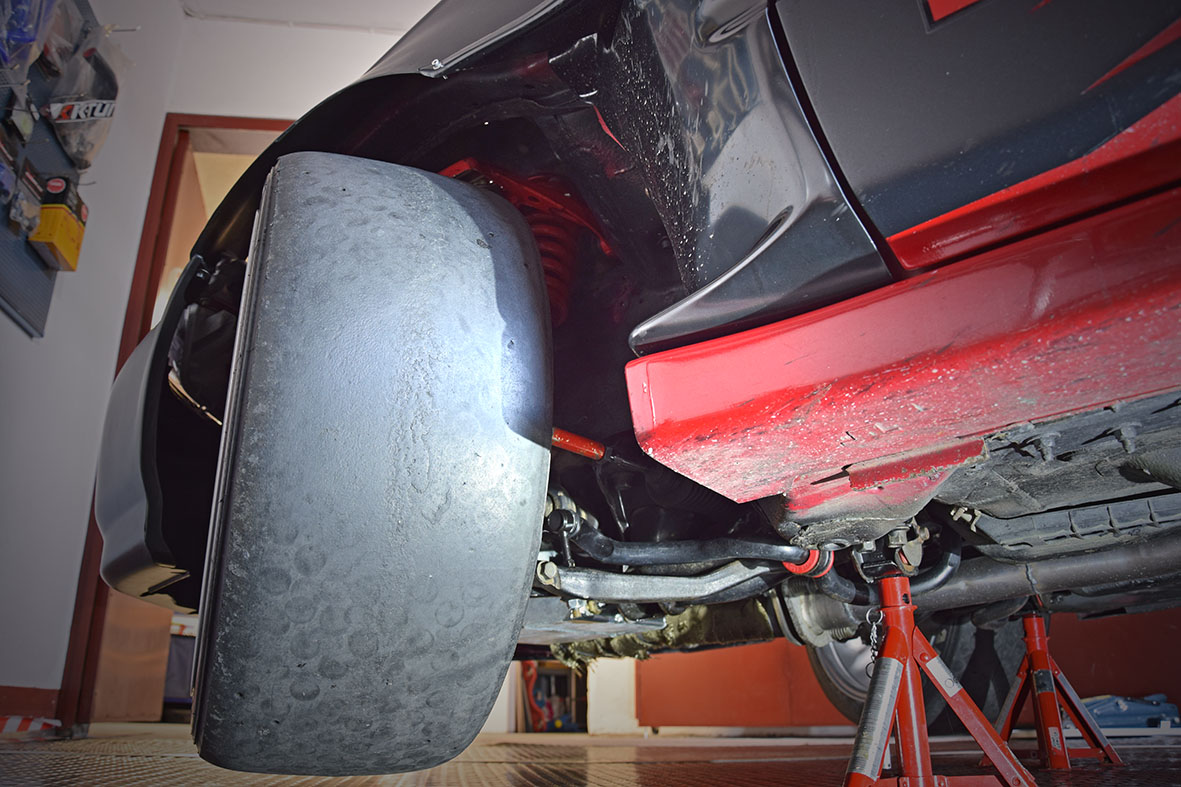
With the term of bumpsteer we describe how the wheels are turning from the interference between suspension arms and steering components without any steering input. As a rule of thumb we decided to dial in the car with as little as possible bump out in the suspension travel that the suspension operates.

Having some bump out means that when the car is turning and the suspension compresses the wheels are turning towards the outside of the corner and the car requires more steering input. Despite that sounds like counterproductive it is more natural for the driver to turn more than counter steer and do corrections in the middle of a quick chicane or weight transfer.
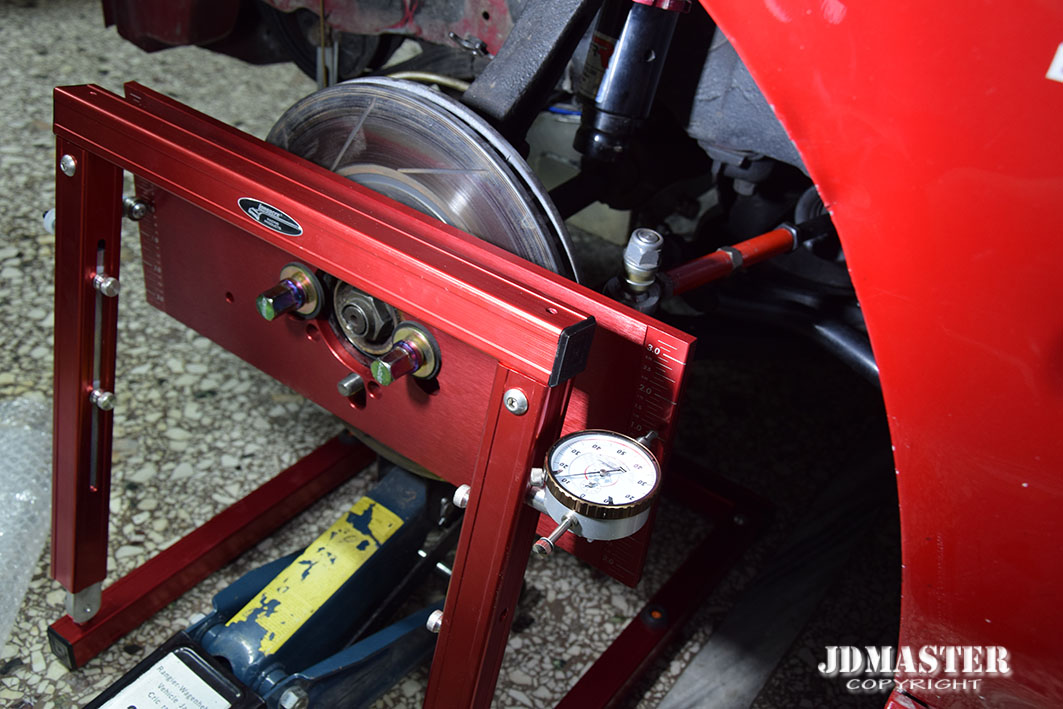
Using the proper bumpsteer tool, we took our time to make measurement on several points and set the tie rod height on the position that worked best for us.
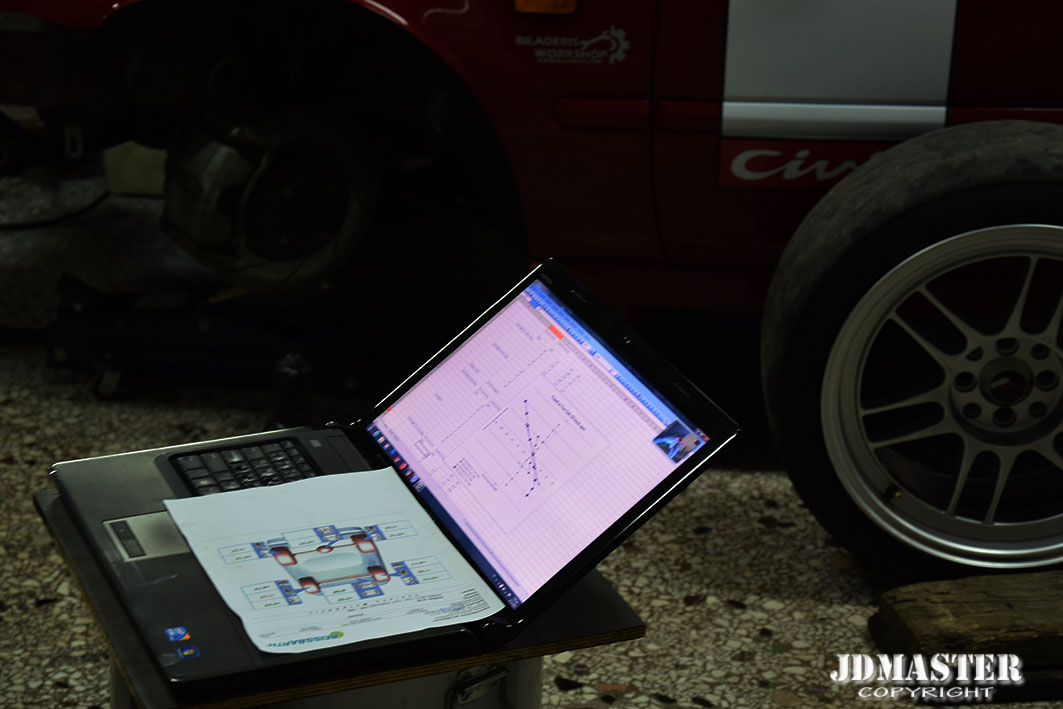
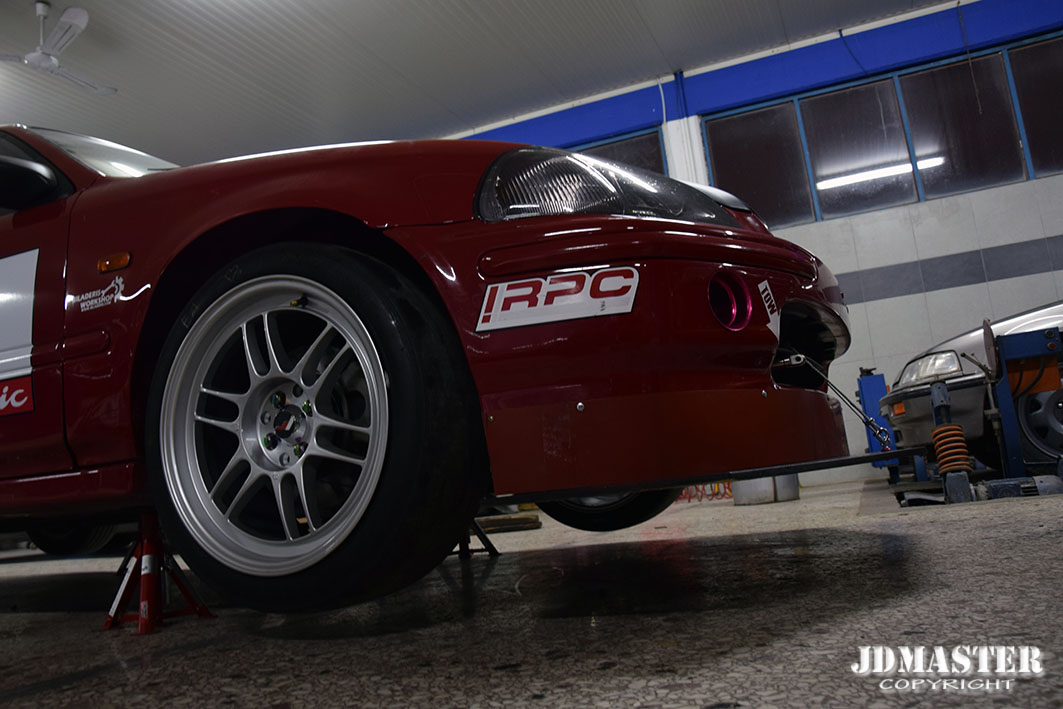
Corner weight
The weight distribution of a LHD B-series Civic is a bit compromised because the driver is sitting in the same side as the engine block but we were able to dial in cross weight at 50-50.
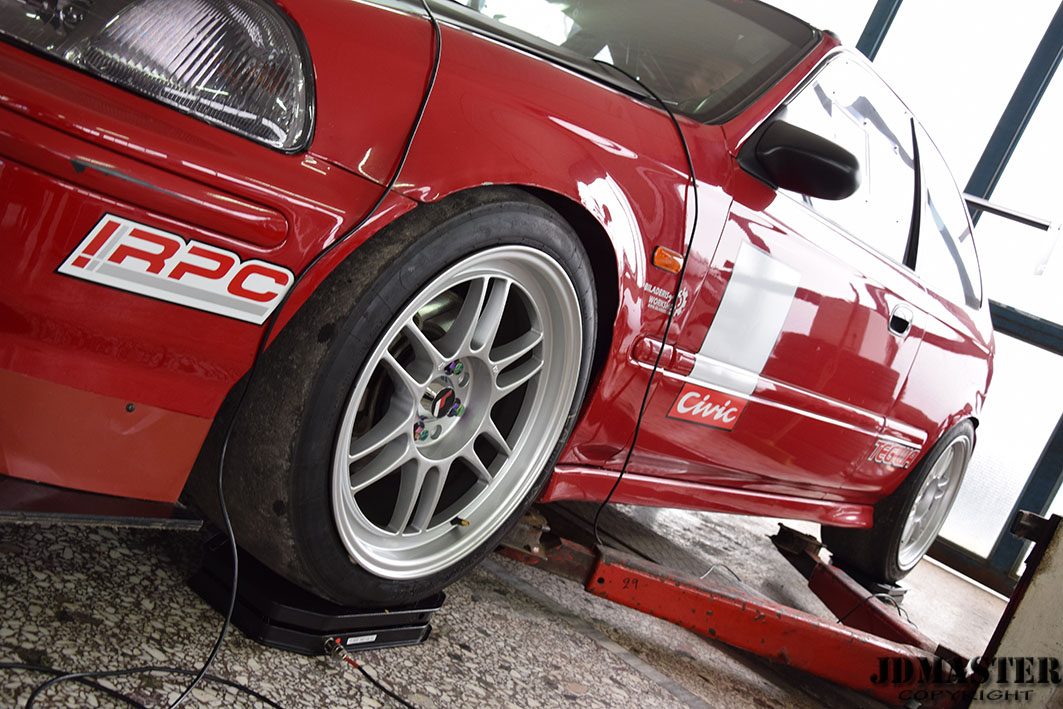
Lifted off the car to the weight scales and ready to work on the coilover height adjustment and checking the measurements over and over again.

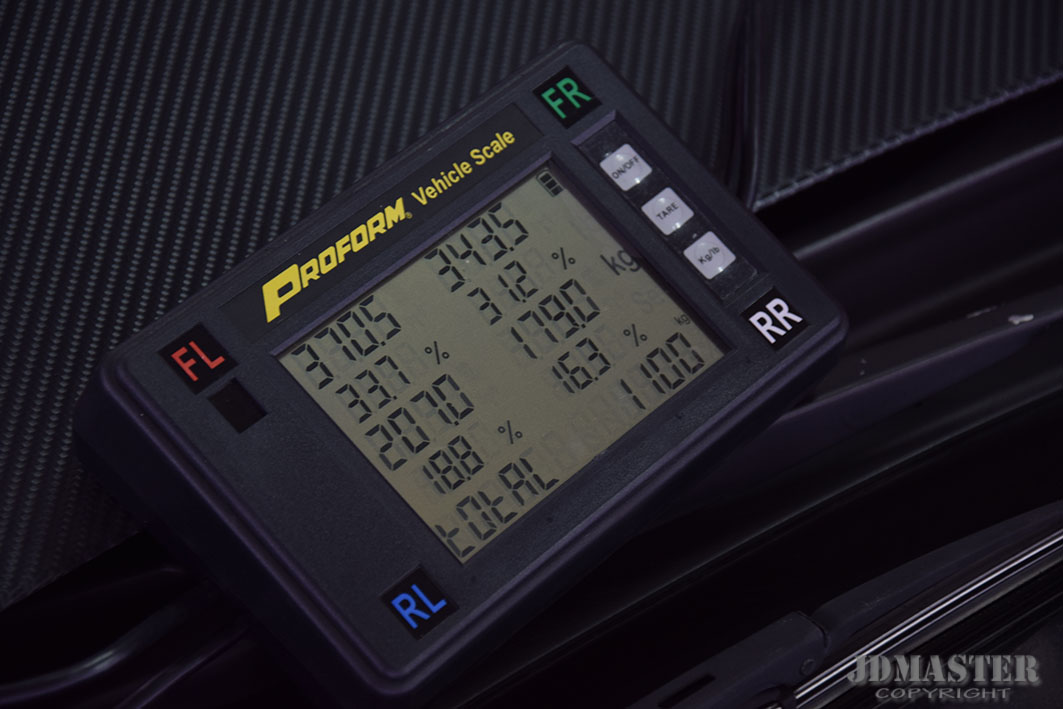
That’s the final figures with driver, splitter and all parts fitted as raced on the track.

Do these improvements actually help out the car performance on track? Just be patient and wait on our next blog series to see some heavy duty coverage of track attempts that were done till now and getting feedback of how the car performed. We succeed or failed (some kind of)? Let’s find out, stay tuned.
